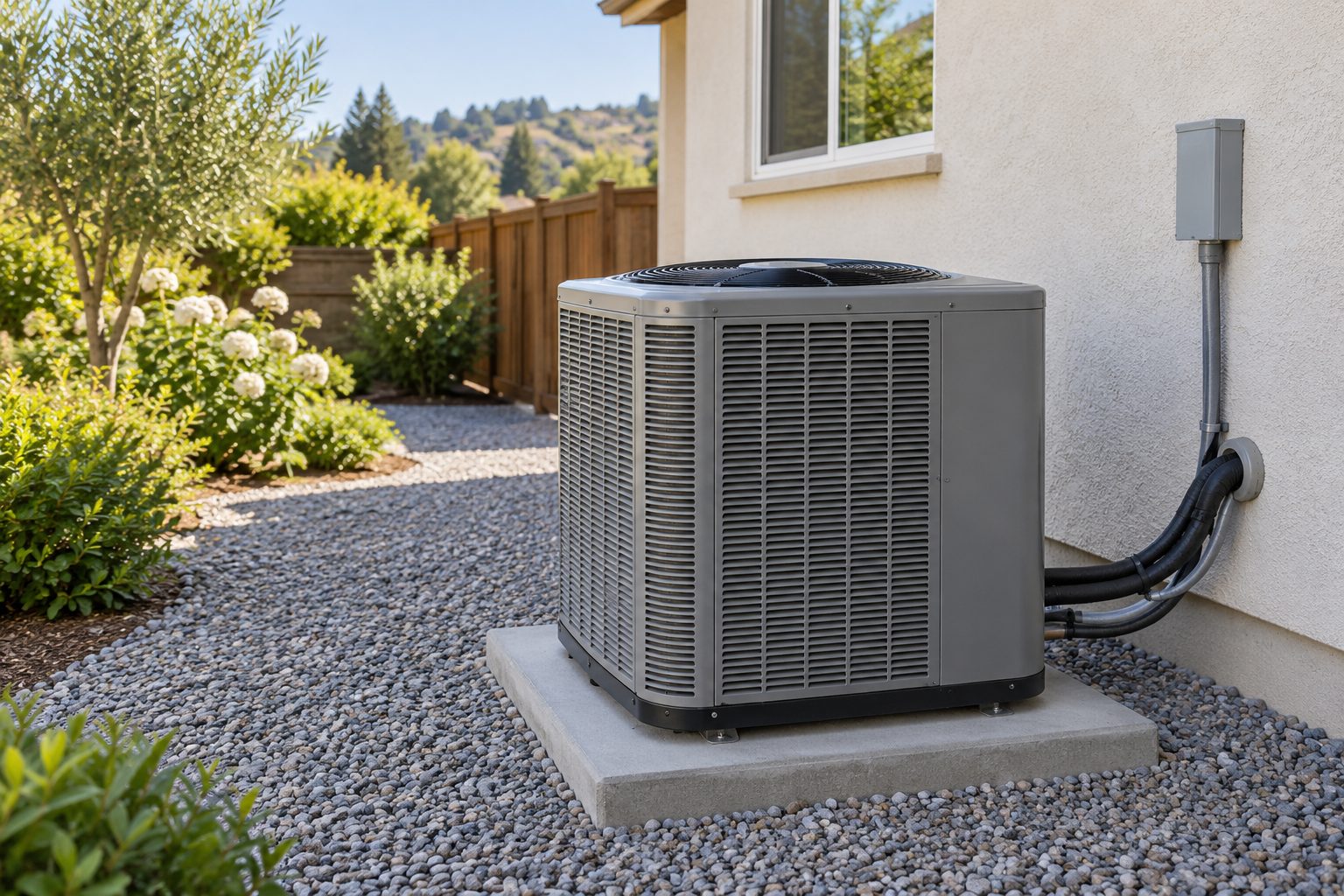
Why permitting belongs in the replacement conversation
An HVAC replacement affects mechanical equipment, electrical connections, refrigerant systems, ducts and energy-code requirements. Permits create a record of the approved scope and allow the authority having jurisdiction to confirm applicable requirements. The exact submittal and inspections depend on the project and location.
The City of Rocklin provides residential HVAC guidance explaining how to determine whether a building permit is required and what forms may apply. Properties outside Rocklin follow their own jurisdiction’s process.
What HERS means
HERS stands for Home Energy Rating System. California uses independent HERS verification for specified energy-code measures. Depending on the permitted scope, verification can involve duct leakage, airflow, fan efficacy, refrigerant charge or other applicable measures.
The California Energy Commission explains that properly permitted work triggers any required HERS testing and that the contractor should discuss permitting and testing with the homeowner. Not every project receives the same tests.
A typical project sequence
- Evaluate the existing equipment, ducts, electrical conditions and proposed scope.
- Select a properly matched system and document required efficiency information.
- Prepare the proposal, including known permit and testing responsibilities.
- Submit the permit application and required energy documents.
- Complete the approved installation scope.
- Perform contractor start-up, commissioning and applicable compliance checks.
- Coordinate independent HERS verification when required.
- Complete the jurisdiction’s inspection and retain final documentation.
Sequence can vary. Equipment access, electrical changes, duct work, corrections or scheduling with outside inspectors can affect timing.
Questions the proposal should answer
Ask who obtains the permit, who prepares energy documentation, whether HERS testing is anticipated, whether related fees are included, and who coordinates corrections if a test does not pass. Confirm that the equipment model numbers in the final installation match the permitted and rebate documents.
A statement that “no permit is needed” should be supported by the authority having jurisdiction, not a general assumption.
Why homeowners should keep the records
Retain the contract, permit number, approved documents, model and serial numbers, AHRI information when applicable, HERS certificates, inspection record, warranty registration and final invoice. These records can help with future service, warranty questions, rebates and a property sale.
HECO discusses the expected permit path for the specific address and scope before installation. Requirements can change, so the current city, county and California Energy Commission information controls.
Need an answer for your HVAC system?
Describe the symptom, property type and equipment. HECO will help identify the next practical step.
Request Service